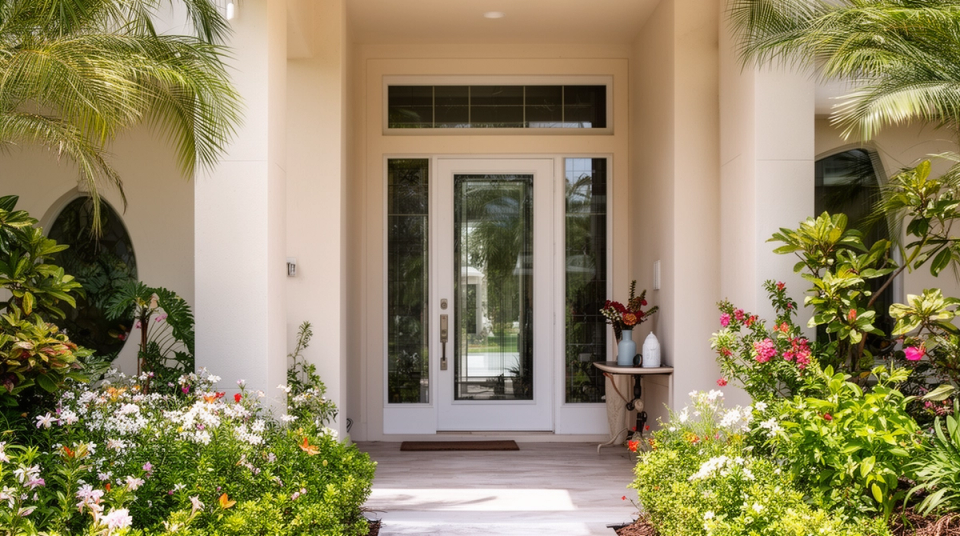
An open house works best when visitors can understand the home without distractions and the seller is confident that personal property and information are protected. The goal is not to hide defects or create a theatrical scene. It is to give buyers an accurate, comfortable tour and the details they need to decide whether to take the next step.
Decide what the open house should accomplish
Review the target audience for the property, nearby competition and current listing feedback. An open house might help introduce a new listing, reintroduce a price-adjusted property or create access for buyers whose schedules make appointments difficult.
Agree in advance on the event duration, staff, property access, accessibility considerations and how visitor questions will be answered. Visitor volume alone is not proof that the event succeeded.
Make the rooms understandable, not artificial
Clean windows, remove excess clutter, test lights and HVAC, open appropriate blinds and ensure floors and exterior paths are safe. Set furniture so a buyer can understand room dimensions and normal circulation.
Leave available documentation for upgrades, permits, included fixtures and relevant ownership expenses. Do not conceal water damage, odors or known material problems behind staging.
Protect privacy and valuables
Secure medication, jewelry, cash, portable electronics, mail, account statements, keys, firearms and documents revealing sensitive details. Remove family calendars and passwords from view.
Discuss with the hosting professional how visitors enter and exit, where staff will stand and how the home will be checked afterward. An open house is still a property-access event, not an exception to ordinary safety planning.
Prepare for real Florida buyer questions
Buyers may ask about roof history, flood exposure, insurance availability, association rules, utilities, permitted changes and maintenance. Collect documents you can verify and identify which questions require an insurance agent, inspector, title professional or HOA representative.
Have a simple property-information sheet and clearly label estimated figures. Marketing language should not imply guarantees about insurability, schools, taxes or future resale values.
Evaluate the results without guesswork
Ask the hosting agent for substantive feedback: condition concerns, comparisons to competing homes, financing questions and any requests for private showings. Separate repeated patterns from a single opinion.
Use the feedback to decide whether photography, pricing, repairs or presentation need attention. The strongest follow-up is specific and respectful, not pressure on every visitor to submit an immediate offer.
Review the Florida home pricing strategy guide
Schedule a selling consultation
Related guide: Florida Hurricane Season: Preparing a House That Is on the Market