In Florida, the question is not simply whether a house is in a flood zone. Every property has some flood exposure, while flood map designations influence financing requirements rather than predicting the exact outcome of the next storm. Treat flood due diligence as a property-specific underwriting decision.
Understand what the map actually tells you
FEMA flood maps divide properties into designated hazard zones. Certain A and V zones are high-risk areas, and flood insurance is generally required for buildings in mapped high-risk zones when financing is federally backed. Other areas may be moderate or lower mapped risk; that does not mean floodwater is impossible.
Search the exact address, confirm the map panel and check for map amendments or changes. Look beyond the city or neighborhood name. Two houses a few blocks apart—or on different parts of a lot—can have very different elevations and exposure.
Ask how water could reach this property
Consider rainfall drainage, nearby canals, river overflow, storm surge, tidal flooding and the ground elevation relative to adjacent streets. Ask about prior intrusion and repairs, drainage projects and whether garages or lower floors are enclosed. Review records where available and commission specialists when indicated.
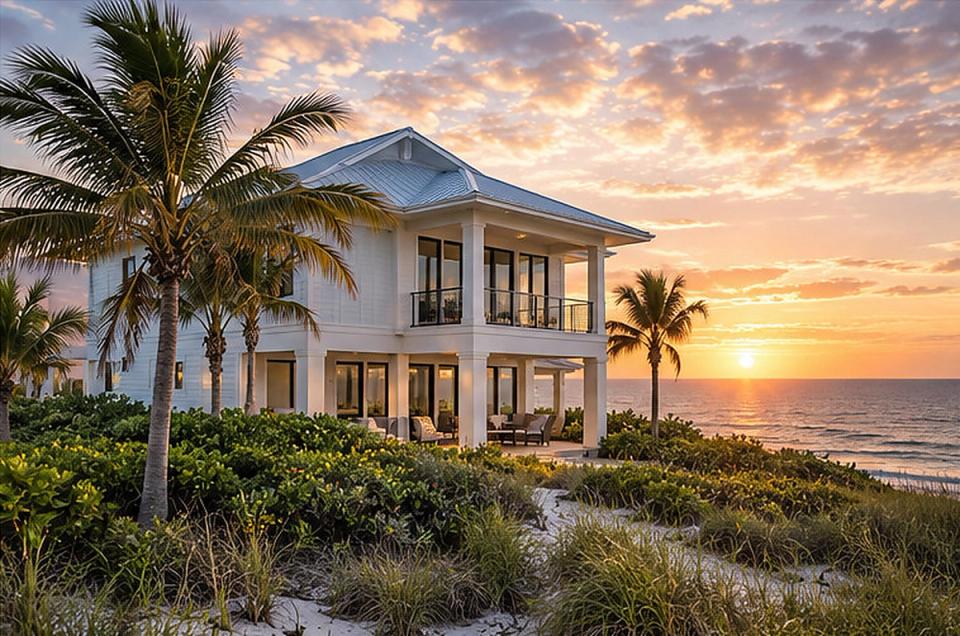
A ground-floor entry, finished space below an elevated living level, or equipment positioned low on the property may change the loss profile. Do not infer that a tall-looking structure is automatically safe; get meaningful property-specific information.
Get a real flood insurance quote
Standard homeowners insurance generally excludes flood damage. Request flood options independently from an insurance professional, including National Flood Insurance Program and private-market possibilities where appropriate. Compare coverage limits, deductibles, exclusions, waiting periods and what qualifies as covered contents.
A lender’s mandatory coverage amount is not necessarily adequate to rebuild or replace personal belongings. Check whether a current policy can be assigned, what documentation is required and whether an elevation certificate might improve understanding or pricing.
Know the contract and financing consequences
Flood risk can affect the amount of cash required monthly, lender conditions, resale market and future insurance availability. If coverage cannot be secured on reasonable terms, a buyer may have a practical financing problem even where the physical building looks acceptable.
Raise coverage and elevation questions during the appropriate contract investigation window. Coordinate with the lender early; do not wait for an underwriter to identify mandatory coverage days before closing.
Evaluate mitigation, not just geography
Ask about elevation, breakaway features, flood openings, drainage improvements, protected mechanical equipment and how past owners have maintained the site. Physical mitigation cannot eliminate every hazard, and an attractive retaining wall is not a flood assessment.
Compare two homes by expected total cost and risk, not just monthly premium. A more expensive house with a less exposed living level may be financially preferable, but only after reviewing real data.
Make the decision with documents
Your file should include map information, disclosure responses, inspection findings, insurance quotes, material permit records and any elevation documents. For a seller, assembling these before listing can reduce uncertainty and transaction delays.
For any uncertainty, obtain advice from licensed insurance, inspection and legal professionals as appropriate. Good due diligence transforms a vague fear of flooding into specific questions you can answer.
Frequently asked questions
Does Zone X mean a home cannot flood?
No. Zone X is not a zero-risk guarantee, and flood coverage can still be valuable.
Does standard homeowners insurance cover rising floodwater?
Usually not. Review separate flood coverage with an insurance professional.
Can an insurer require different information than a lender?
Yes. Lender requirements, policy underwriting and actual property risks are related but not identical.
Keep exploring: your next smart decision
Next read → The full monthly ownership cost
Next read → Florida inspection checklist
Next read → Condo reserve and inspection due diligence
Want advice for a specific property? Talk with Anchor House Realty about your next move.