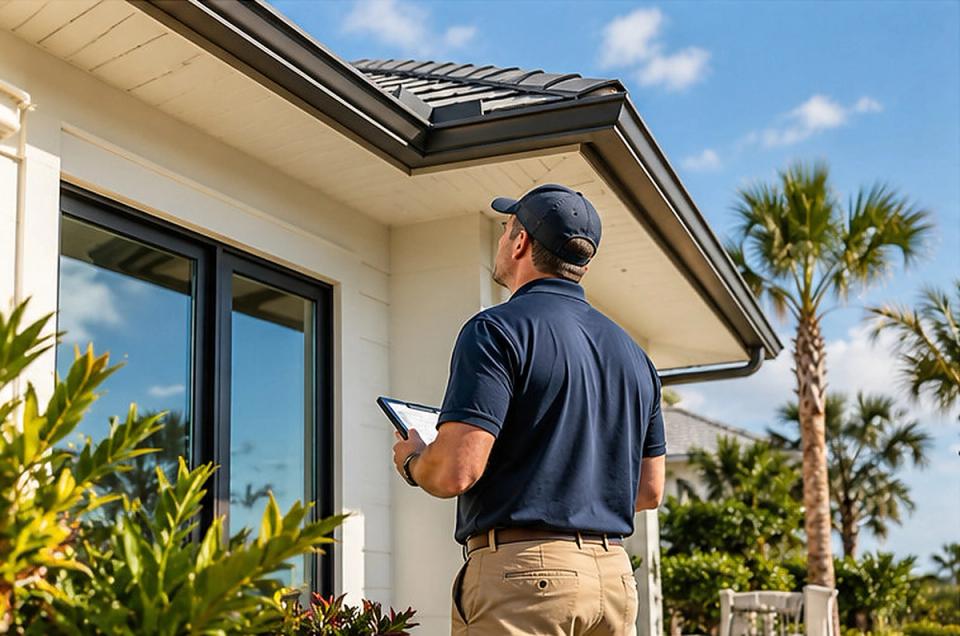
An inspection is not a pass/fail exam for a home. It is a way to identify repair costs, safety conditions and potential surprises while the contract still provides whatever investigation rights you negotiated. In Florida, a general inspection often needs to be paired with insurance and water-risk diligence.
Understand what your contract actually allows
Read the executed agreement for the inspection period, notice process, deposits and any rights to renegotiate or cancel. Florida contracts are not interchangeable. An inspection report discovered one hour before the deadline may leave insufficient time to obtain contractor bids or deliver the required notice.
Schedule qualified inspectors immediately and share the deadline with everyone involved. If a concern arises, ask about the contract-specific procedure rather than assuming an inspection automatically authorizes cancellation. Legal consequences belong with the contract and appropriate counsel.
Roof age, condition and insurance eligibility
Ask the inspector to assess accessible roof materials, visible wear, leaks and flashing. Have a roofer review questionable areas when necessary. An insurer’s underwriting requirements can be different from a general inspector’s opinion that a roof has useful life.
Gather permit history and any documentation supporting roof replacement. If the roof is aging, obtain insurance quotes and repair or replacement bids before final decisions. A cosmetic patch may not solve an underwriting issue.
Electrical, plumbing, HVAC and moisture
Inspect accessible electrical components, signs of unsafe wiring, corrosion, drainage, water heater condition, HVAC performance, condensate handling and visible signs of leaks. Florida humidity makes moisture investigation particularly important, especially around windows, bathrooms and cooling systems.
When an issue requires specialist testing, distinguish what the general inspector actually observed from what remains unverified. A four-point insurance inspection is typically narrower than a full buyer inspection; one does not replace the other.
Wind mitigation is a different question
A wind mitigation review documents construction and protective features relevant to potential insurance discounts: roof geometry, connections, openings and other eligible features. Ask a qualified professional what documentation exists, rather than assuming shutters alone guarantee a discount.
Insurance companies determine eligibility for credits. Some carriers need the official inspection form. Get a quote with the verified information and ask whether any upgrades would change costs meaningfully.
Investigate the property beyond the walls
Check flood exposure, grading and drainage, pool equipment, termites where applicable, septic or well systems, trees near structures, additions, unpermitted work and boundary or easement questions. Review seller disclosures, association records and public permits; an inspection alone cannot establish legal compliance.
For condos, review association engineering and reserve documents separately. For waterfront properties, involve appropriately licensed specialists and review elevation and erosion conditions. A property should be assessed as a whole.
Turn findings into a decision matrix
Sort findings into immediate safety issues, costly near-term replacements, routine maintenance and cosmetic preferences. Request written bids for significant items. Evaluate how repairs interact with insurance coverage, appraisal, financing and possession timing.
Then decide, with your professionals, whether to proceed, request a repair or credit, seek more information or exercise a contract right where available. The goal is not to demand a perfect house; it is to avoid unknowingly purchasing an unbudgeted problem.
Frequently asked questions
Does a four-point inspection replace a buyer inspection?
No. Insurance four-point reports and full buyer inspections serve different purposes.
Should I ask for repairs or a credit?
It depends on the defect, financing, contractor access, insurance underwriting and the negotiated contract. Compare a qualified bid with your ability to complete work after closing.
What about permits on additions?
Check with the local building authority; inspection observations are not proof that additions were permitted or code-compliant.
Keep exploring: your next smart decision
Next read → Flood-risk due diligence
Next read → Condo reserve and inspection due diligence
Next read → Florida home buying roadmap
Want advice for a specific property? Talk with Anchor House Realty about your next move.