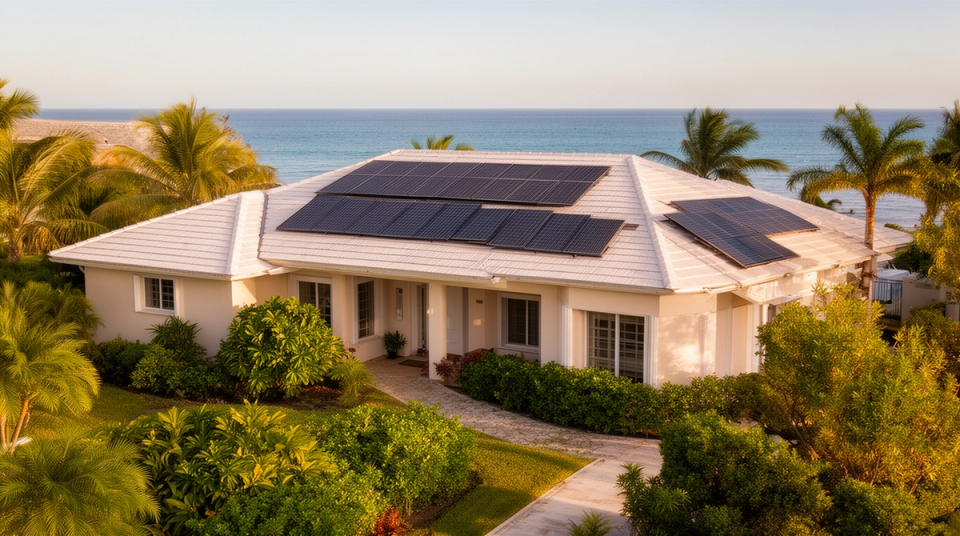
Solar panels can make a Florida house appealing, but buyers should not treat every rooftop system as the same asset. A system the seller owns, a system financed with a loan and a system controlled by a third party create different questions for your lender, insurer, title professional and long-term budget. The best time to understand the paperwork is before the contract and inspection deadlines become urgent.
First determine who owns the equipment
Ask the seller for the original installation contract, payment documents, recent electric bills and proof of ownership. If the panels are paid off, determine what equipment and warranties transfer with the home. If a loan remains, ask how it will be satisfied and whether a lien or other recorded financing arrangement affects closing.
For a lease or power-purchase agreement, obtain the complete agreement—not a sales summary. Identify payment increases, transfer conditions, maintenance responsibilities, end-of-term obligations and any approval that the new owner or lender must give. The U.S. Department of Energy recommends reviewing the ownership arrangement first.
Compare the economics without assuming free electricity
A seller may advertise a very low utility bill, yet the house may also have a separate monthly solar payment. Compare electricity usage, solar charges, insurance implications and realistic maintenance or replacement expenses over a full year. Ask for records, not only a sunny-month screenshot.
Consider how roof age, tree shade, system orientation and future household consumption could change the result. Verify any performance guarantees directly with the provider and distinguish an estimate from actual historical production.
Coordinate the roof and insurance inspection
A general home inspection may not evaluate solar electrical installation or mounting details. Discuss a specialist review when appropriate. Ask the roof inspector about penetrations, flashing, roof life, evidence of leaks and the cost of removing and reinstalling panels for future roof work.
Confirm that permits and required inspections were completed and ask the insurance agent about any underwriting conditions. Do not assume an existing homeowner policy or a seller's premium transfers to you.
Bring your lender and closing team in early
Send all solar-related contracts to the lender and title professional as soon as possible. They may need to assess financed equipment, recorded interests or third-party use rights. A late discovery can affect underwriting, closing documents or the buyer's ability to take over a lease.
If a transfer needs the solar company's approval, assign a responsible person and deadline. Confirm in writing who pays transfer charges and who bears the risk if approval is not obtained on time.
Use a decision worksheet before making an offer
Create four columns: ownership and debt, monthly operating cost, physical condition, and transfer or warranty terms. Mark each item as verified, pending or unacceptable. A beautiful installation should not replace an accurate financial picture.
Finally, compare this home with similar properties without solar. The right conclusion may be that the equipment has value, that the terms need renegotiation, or that the overall home is not a fit. Anchor House can help coordinate the property questions while licensed financial and legal professionals review their parts.
Read our Florida home inspection checklist
Discuss a Florida home purchase with Anchor House
Related guide: Florida Home Insurance Quotes: What Buyers Should Confirm Before Closing